Our founding
Theater of Architecture
Hugh Hardy established his first practice in 1962 with a conviction that architecture for the public realm was architecture at its most essential. That conviction has guided everything H3 has built for sixty years.
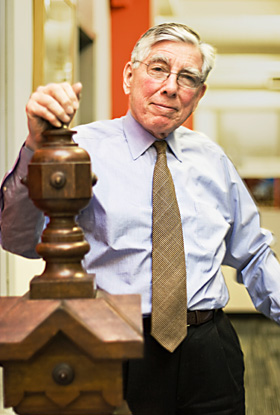
Hugh Hardy, 1932–2017
A practice built on a singular conviction
“We have no interest in repeating ourselves or doing what has been done before.”
In 1967 Hardy joined Malcolm Holzman and Norman Pfeiffer to form Hardy Holzman Pfeiffer Associates, which for nearly four decades stood among the most celebrated architecture firms of its generation — recognized nationally for a body of work that took the public realm seriously as the highest purpose of the profession.
When that partnership eventually separated, as creative partnerships sometimes do, the people who had built it each carried something forward. What came to H3 — what has defined our practice in every project since — is Hardy’s specific and irreducible conviction about theater. Not theater as a building type, but theater as a civic act.
Hardy believed that a performance venue was the most democratic of all architectural commissions: a place where a community gathers to discover, together, what it believes. That conviction was not a design philosophy in the abstract. It was the reason he got up in the morning. It is the reason our principals do too.
Others who trained and practiced alongside Hardy have gone on to distinguished careers in educational and cultural architecture. We hold that work in high regard. The field of performing arts architecture is stronger for having multiple serious practitioners. But H3 chose its own structure deliberately, and has held to it.
We remain a boutique practice — three principals, principal-led on every project, from the first conversation to the final certificate of occupancy. We have no interest in growing beyond the point where that direct relationship is possible. This is not a constraint. It is the point.
The clients who find their way to H3 tend to understand this instinctively. They are theater boards who have spent years raising the money for a building that will outlast everyone in the room. They are university presidents who know that a performing arts center is not a facility — it is a statement about what their institution believes the arts are for. They are preservation clients who understand that the wrong architect can erase in eighteen months what a community spent a century building. For those clients, what matters is not the breadth of a firm’s portfolio or the scale of its operation. What matters is who is in the room — and whether the person who won the project is the same person who designs it and delivers it. At H3, the answer to that question has never changed.
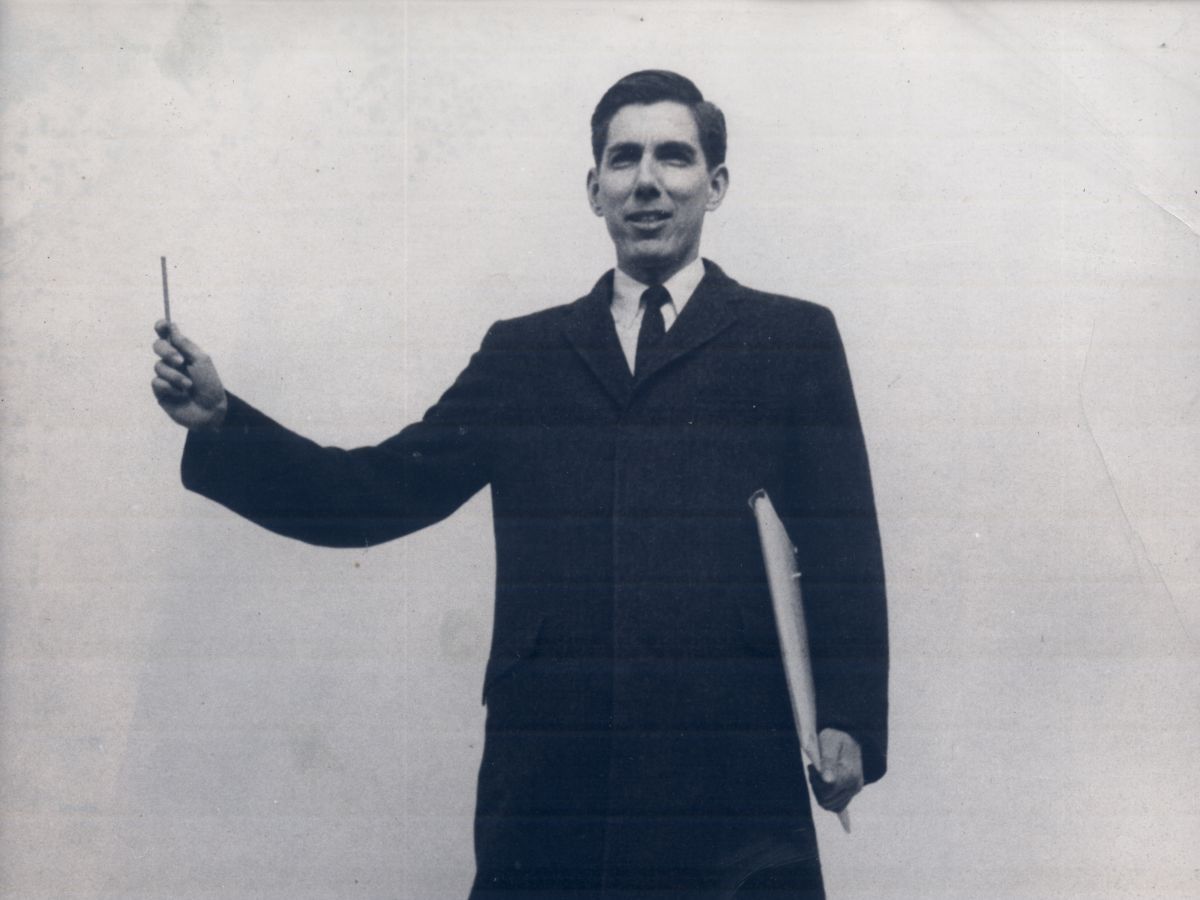
Hugh Hardy, at the start of his practice
Hugh Hardy and Associates
Hugh Hardy establishes his first practice, Hugh Hardy and Associates, in New York City — beginning a body of work in civic and cultural architecture that will define an approach to the public realm for six decades.
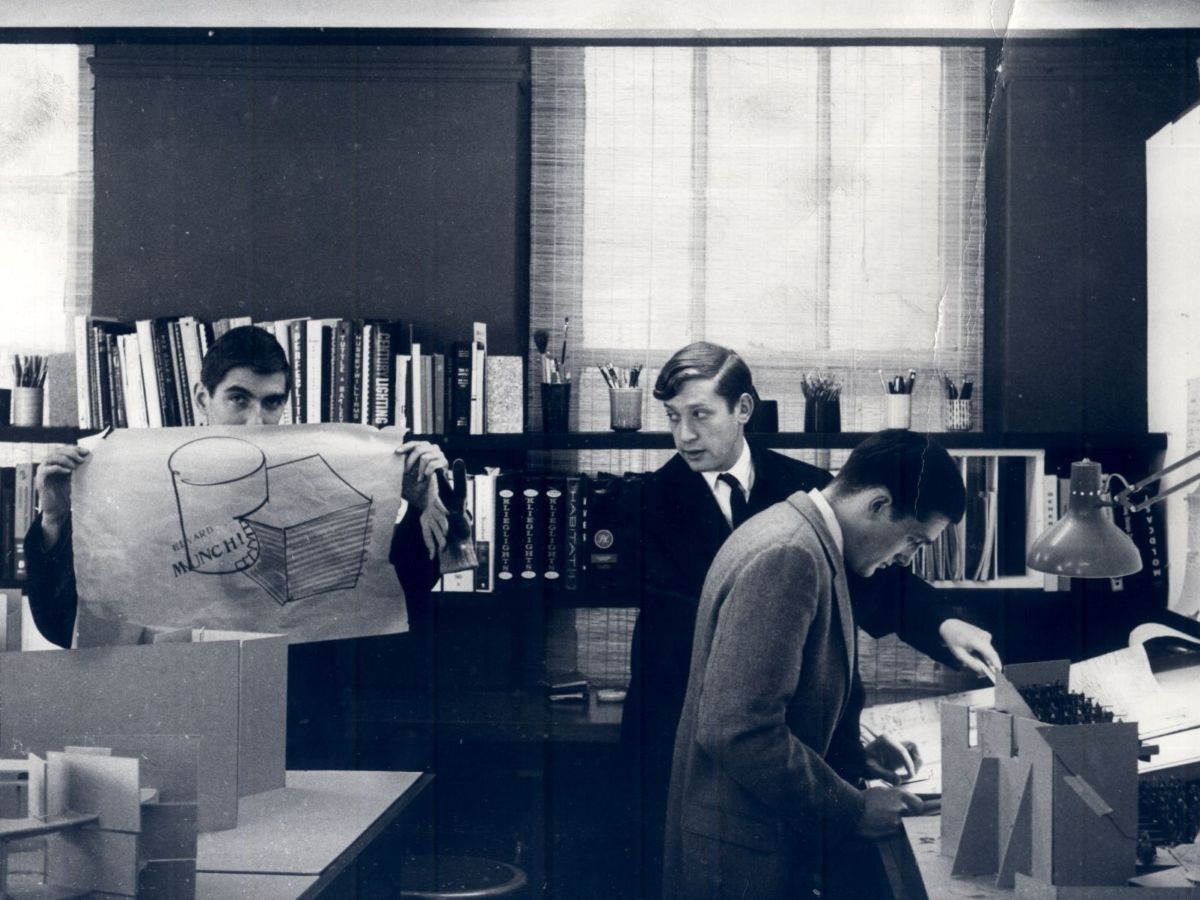
Hardy, Holzman, and Pfeiffer, 1967
Hardy Holzman Pfeiffer Associates
Hugh Hardy, Malcolm Holzman, and Norman Pfeiffer establish Hardy Holzman Pfeiffer Associates, which grows to become one of the most celebrated architecture firms of its generation, recognized nationally for work that takes the public realm seriously as the highest purpose of the profession.
Defining the theater renovation practice
Hardy and the firm develop a distinctive approach to historic theater renovation, working on landmark New York venues including the Brooklyn Academy of Music and establishing the firm as the preeminent theater architects in the United States.
The Joyce Theater
Conversion of a former cinema into one of New York’s most beloved mid-size dance venues, earning the Bard Award of Merit and setting the template for the firm’s approach to adaptive reuse for the performing arts.
BAM Harvey Theatre
The transformation of the Majestic Theatre into the BAM Harvey Theatre earns the AIA New York Chapter Honor Award for Interior Architecture and the City Club of New York Bard Award.
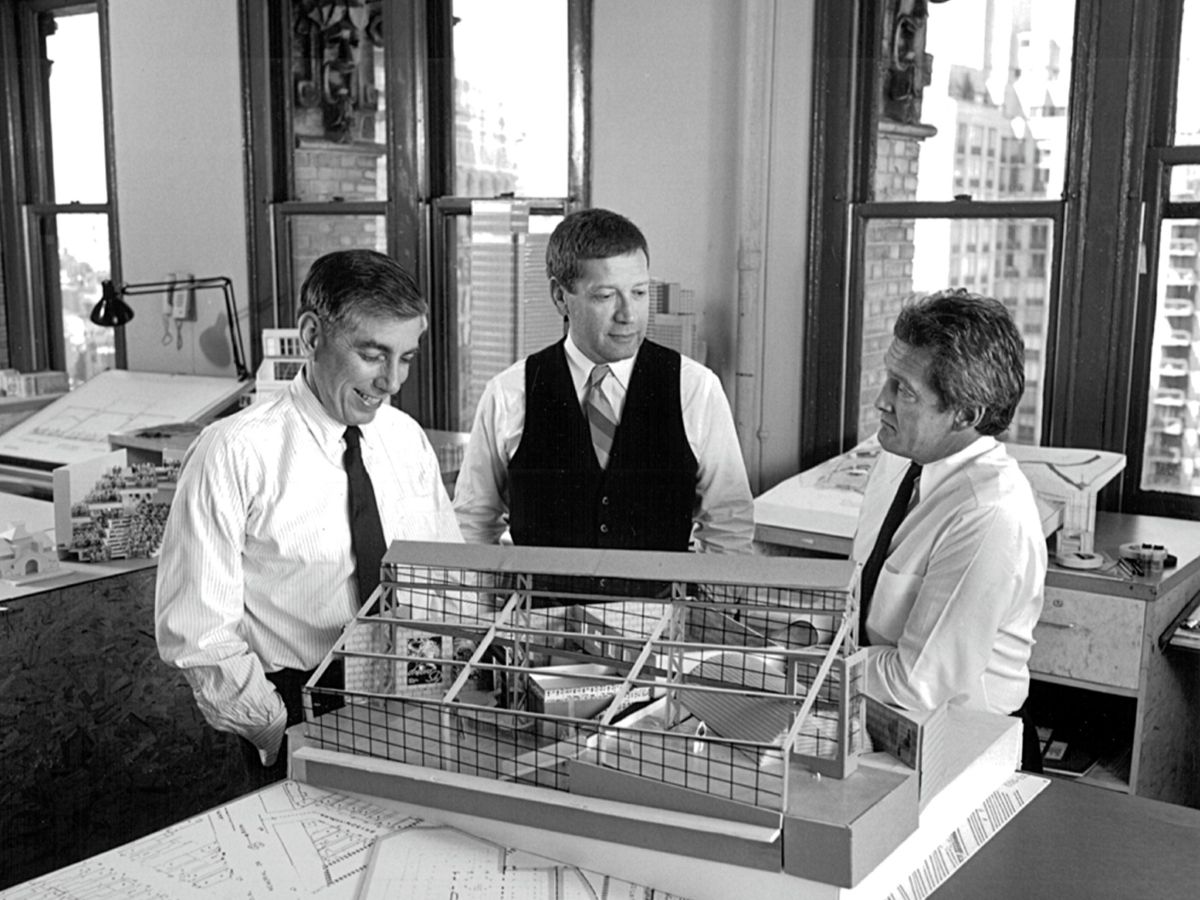
HHPA partners, 1997
New Amsterdam Theatre and New Victory Theater
Restoration of two landmark 42nd Street theaters earns AIA National Honor Awards and National Trust for Historic Preservation honors for both projects. These transform Times Square and set the standard for historic theater restoration in America.
Radio City Music Hall — Time Magazine Best of Design
The restoration of Radio City Music Hall is recognized by Time Magazine, alongside AIA Honor Awards and National Trust for Historic Preservation honors.
Hippodrome France-Merrick PAC, Baltimore
The restoration of Baltimore’s historic Hippodrome Theater opens to wide acclaim, demonstrating the firm’s expertise in transforming historic Broadway houses for 21st-century audiences.
H3 Hardy Collaboration Architecture established
Hugh Hardy and his colleagues Ariel Fausto, John Fontillas, and Daria Pizzetta establish H3 Hardy Collaboration Architecture in New York City, carrying forward Hardy’s conviction that theater is a civic act. ‘H3’ marks Hardy’s third firm and ‘Collaboration’ has come to describe how the practice actually works. Both meanings live in the URL h3hc.com.
New York Academy of Sciences, 7 World Trade Center
H3 completes the New York Academy of Sciences’ new headquarters at 7 World Trade Center, making NYAS one of the first cultural institutions to return to Lower Manhattan after September 11 — and signaling a role for cultural architecture in the city’s civic recovery.
United States Federal Courthouse, Jackson, Mississippi
A landmark General Services Administration commission, extending the firm’s public-realm conviction beyond theater into federal civic architecture.
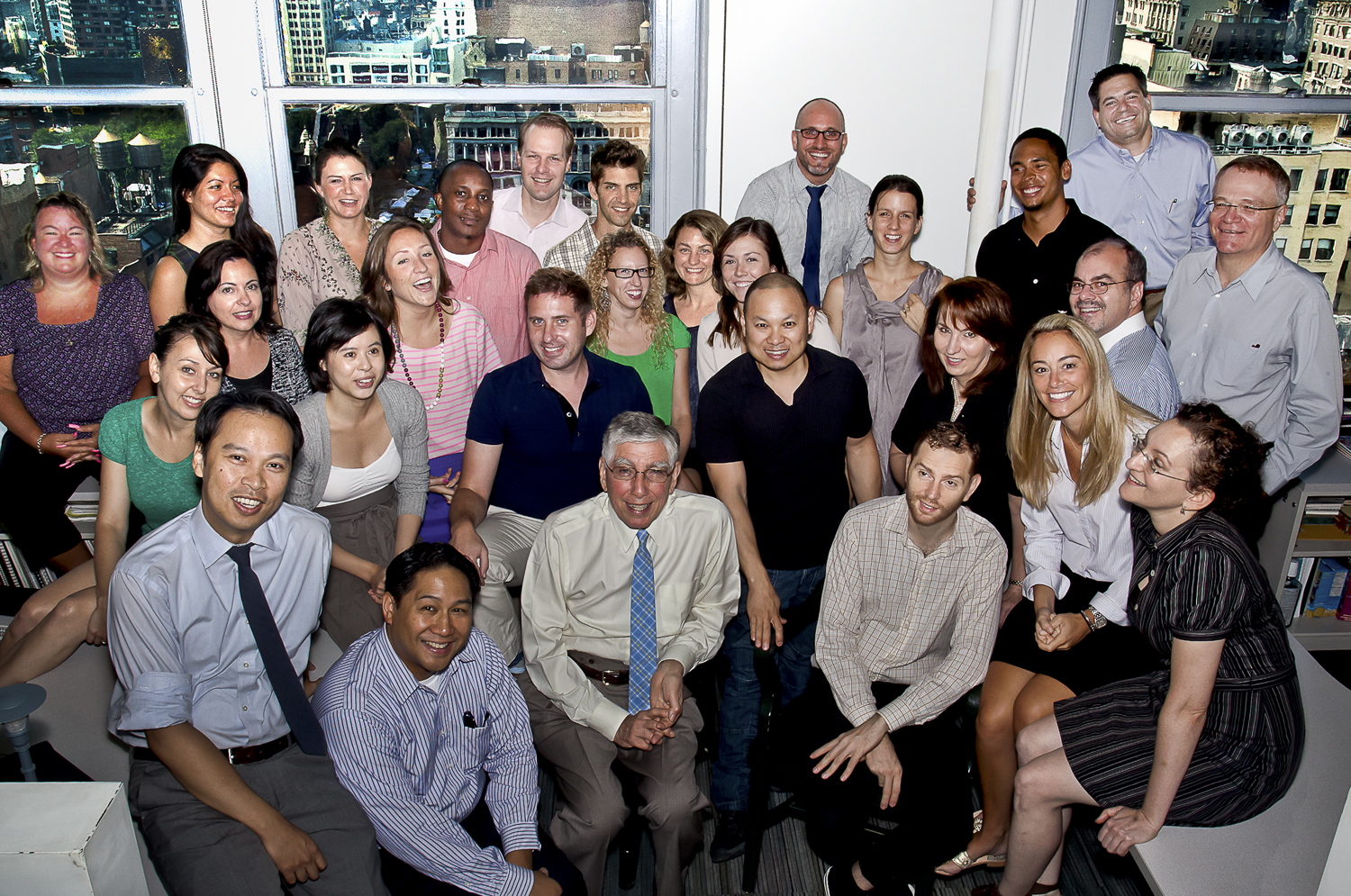
H3 Hardy Collaboration, 2012
Lincoln Center Theater LCT3
The Claire Tow Theater at Lincoln Center earns Interior Design Magazine’s Best of Year Award and the AIA New York State Design Award.
Theatre for a New Audience, Brooklyn
H3’s new building in the BAM Cultural District receives AIA New York State and Chapter Design Awards of Excellence and ENR Best of 2014, establishing H3’s independent reputation in New York.
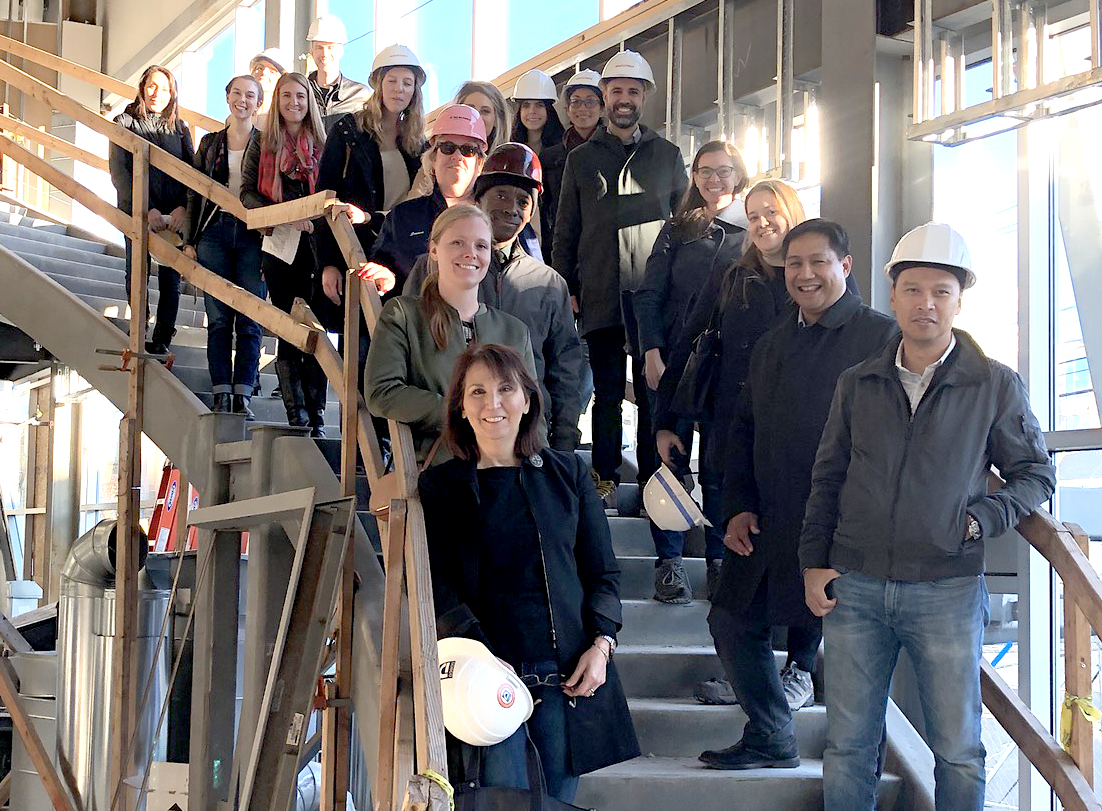
H3 with Arquitectonica, 2017
Partnership with Arquitectonica International Corporation
H3 becomes the Theater, Arts and Cultural Building Design Studio of Arquitectonica International Corporation, joining a global firm with eleven offices on five continents.
Building for the next generation
With major projects under construction at the University of Alabama and the University of Miami, and an active New York practice, H3 continues designing places where communities come together to discover what they believe.
Since 2017, H3 has served as the Theater, Arts and Cultural Building Design Studio of Arquitectonica International Corporation, joining a global firm of more than five hundred professionals with offices on five continents. The relationship is complementary: H3 brings six decades of specialization in cultural and theater architecture, while Arquitectonica brings the resources, delivery capability, and worldwide reach to support work at any scale. Together with ArquitectonicaGEO, ArquitectonicaSTUDIO, Arquitectonica Interiors, and Arquitectonica Products, H3 is one of five studios in the Arquitectonica family, each focused on a distinct discipline. Founding Principal Bernardo Fort-Brescia, FAIA, leads design across the family.
We are more than the sum of our history.
A young firm with a long memory — winning new and challenging work based on the belief that collaboration produces buildings the world has never seen before.
Meet the principals →