Our people
Three principals. Every project.
H3’s deliberately small size means that our principals are not figureheads — they lead every project, from the first client meeting to the final inspection. You are hiring Ariel, John, and Daria, not a team you have never met.

Ariel Fausto
AIA, LEED AP — Principal
As principal and design leader at H3, Ariel skillfully elicits the effective collaboration that is a hallmark of H3’s work. His capacity to synthesize investigations into history, geography, art, science, and sociology results in elegant and meaningful architectural solutions. Ariel leads the firm’s most complex new-construction theater projects, including Theatre for a New Audience, Steven Tanger Center for the Performing Arts, and the Highland Center for the Arts.
American Institute of Architects · LEED Accredited Professional
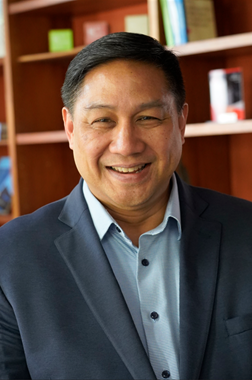
John Fontillas
AIA, LEED AP — Principal
John bridges the gap between the buildings H3 creates and the city fabric in which they live. With zeal and foresight, he has a unique capacity to see the big picture and work across all scales — from the large canvas of a city master plan to the finest architectural details. John leads the firm’s planning and urban design work, including the Denver Performing Arts Complex revitalization and the Lower Manhattan Theater study.
American Institute of Architects · American Planning Association · Urban Land Institute · Forum for Urban Design · Municipal Arts Society, Planning Committee
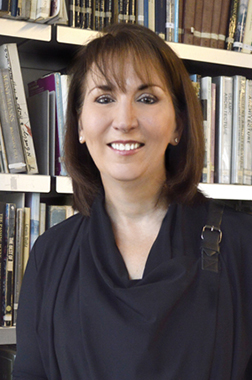
Daria Pizzetta
FAIA — Principal
Daria Pizzetta, FAIA, brings over 30 years of experience to H3’s most complex cultural and institutional projects. In leading project teams, Daria transforms difficult architectural ideas and procedures into clear, understandable communications. She has been responsible for the overall planning and design effort for many of H3’s cultural, academic, and institutional projects, and leads the firm’s Interior Design staff — seamlessly integrating the exterior with beautiful, sustainable, and meaningful interior spaces.
Fellow, American Institute of Architects · American Library Association · Society of College and University Planners
Deliberately small
Our restrained size permits tailored attention to a select number of clients. We keep our client relationships intentionally one-on-one, and encourage their involvement from a project’s beginning to end. We have no interest in repeating ourselves or doing what has been done before — yet we do not feel compelled to reinvent the wheel. There is a balance between the fearlessness of innovation and the economy of experience, and we believe a project is best served by understanding the elasticity between these two forces.
Genuine collaboration
We recognize that the best ideas can come from anyone — from the most senior designer to the newest intern. We foster an environment where everyone feels comfortable to speak up and present an idea. We extend this notion of collaboration to our clients, consultants, and builders. We have embraced technologies such as BIM that inherently bring together the various disciplines required to design and construct a building. The lines that separate architect, consultant, and contractor are quickly fading, and architects must lead this effort or be left behind.
Discovery as practice
We approach each project as an opportunity for discovery. If we feel a project or client has little or no interest following us down this path of discovery, we will often pass on the project. Architecture serves the community beyond our profession — we have an undeniable responsibility to engage the issues of sustainability and become stewards of responsible growth. Not because it is fashionable. Not because it is mandated. But because it is right.
Public realm as purpose
We focus on projects in the public realm because we believe that place-making builds communities. When architecture creates places to gather — evoking the open and welcoming spirit of a park, the contemplative nature of a museum, or the united energy of a theater — then the discipline has achieved its primary goal. We understand the potential in place-making, and how we service our clients, the profession, and the community.
Ready to start the conversation?
Get in touch →