What we know
The art and science of places for gathering
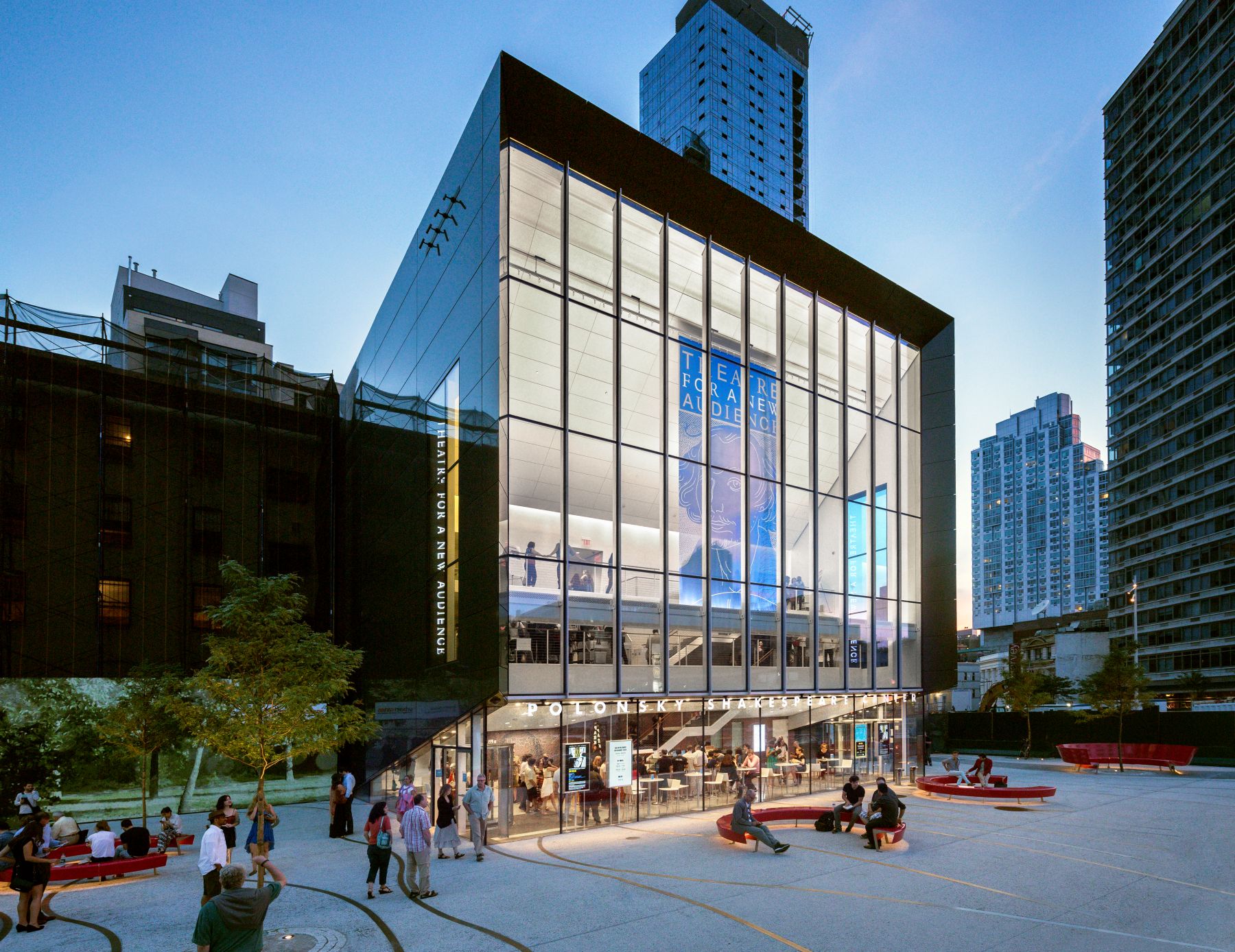
Every project H3 has taken on is a place where people gather to share an experience. That focus is not a constraint. It is the source of what we know.
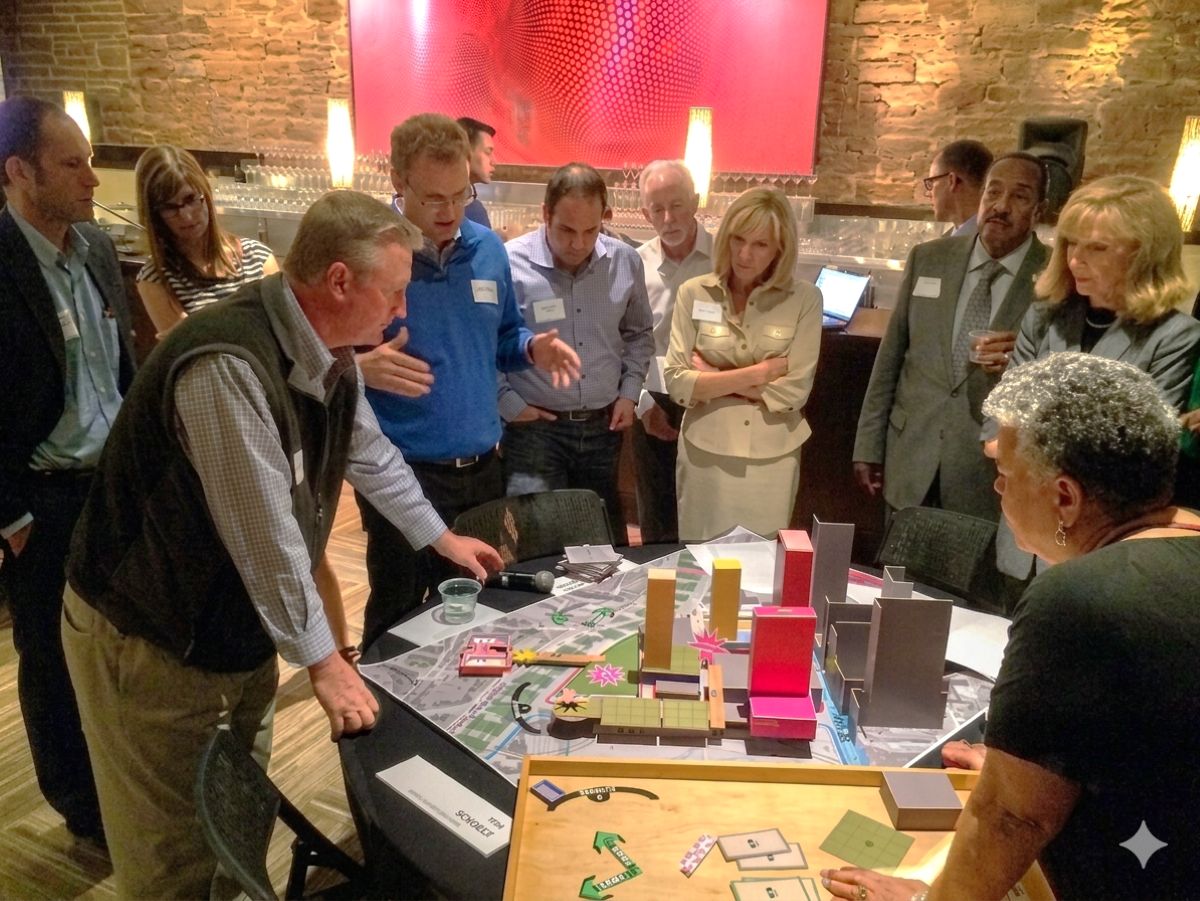
The most important decisions in any performing arts project are made before the design begins. H3’s programming methodology builds earned-revenue analysis, stakeholder conflict resolution, and operational modeling into the spatial program from the start.
H3 designs for the actor’s voice, the audience’s body, and the community’s spirit, in that order. Every seat must feel like it was designed for the person sitting in it. Our NextGen Theater approach builds flexibility, earned revenue, and civic connection into every project from the first schematic.
- Proscenium, thrust, flexible, and black box configurations
- Adjustable acoustics for music, drama, and dance
- Sightlines developed from schematic design forward
- Technical theater infrastructure — rigging, lighting, audio, video
- LEED and sustainable design integration
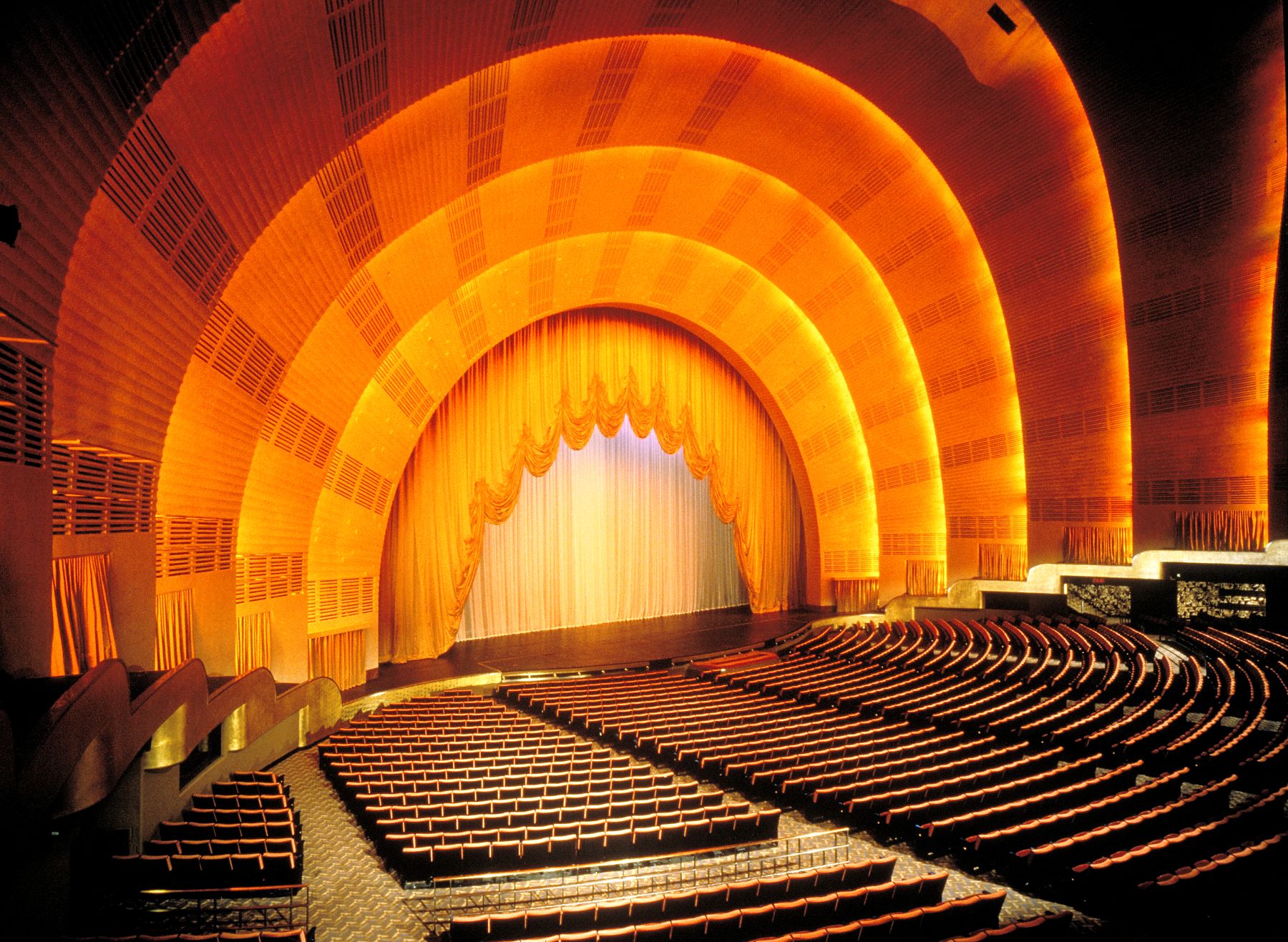
Historic theaters are America’s most resilient public rooms. H3 restores them as living venues, not museum pieces. We insert twenty-first-century production technology while honoring the architecture, acoustics, and ceremony that drew audiences in the first place. More than half of our portfolio is work in existing buildings, many with landmark status.
Radio City Music Hall — New York, NY
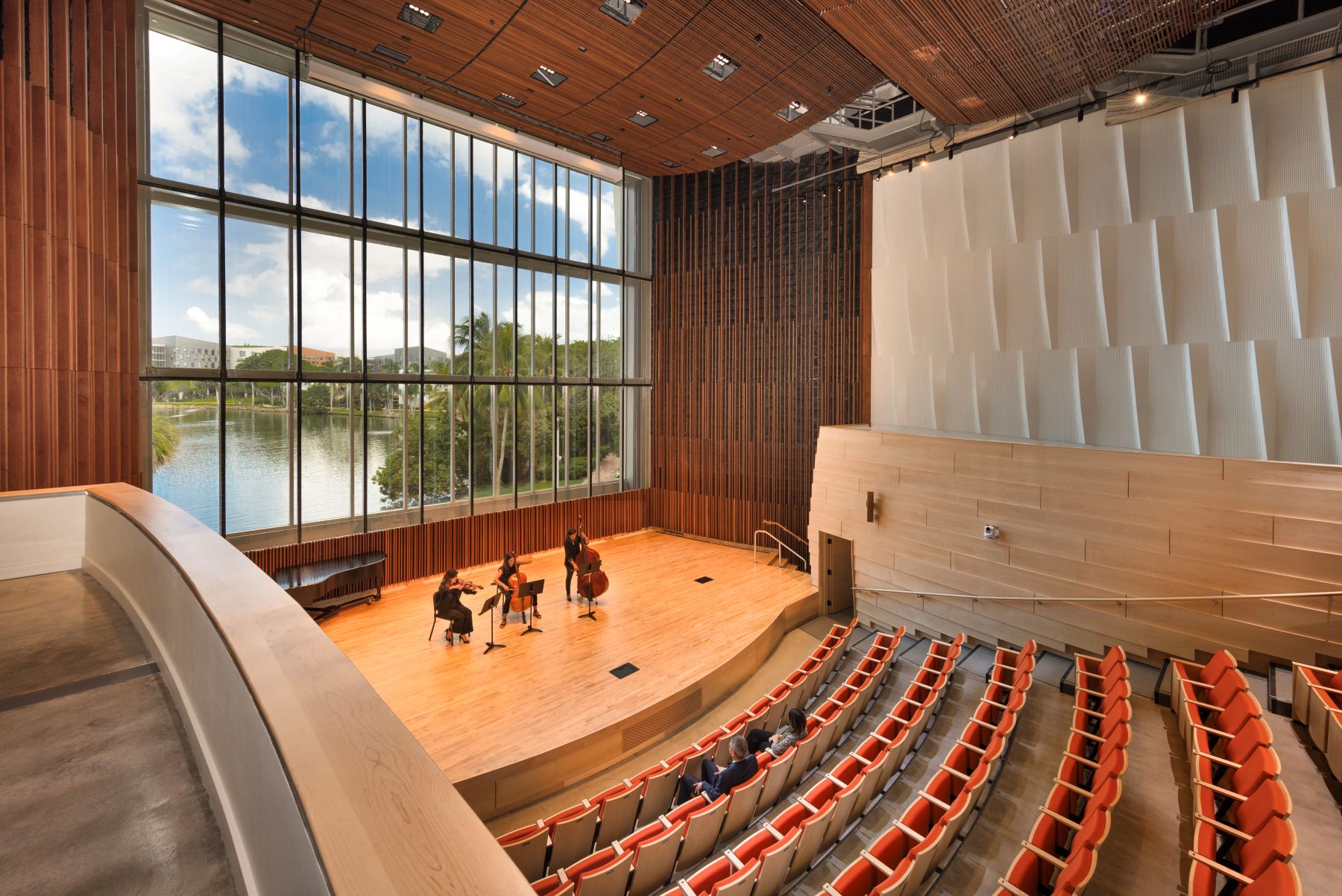
Academic performing arts facilities serve three mandates simultaneously: the student who must learn, the faculty who must teach, and the community that must be engaged. H3 has designed dozens of university arts centers, and knows this program from the work itself.
- Pre-design programming and feasibility studies
- Multi-venue facilities serving multiple departments
- Dance, theater, and music facilities in a single building
- Flexible spaces that maximize earned revenue
- NASD and NASM accreditation requirements
- Fundraising presentation support
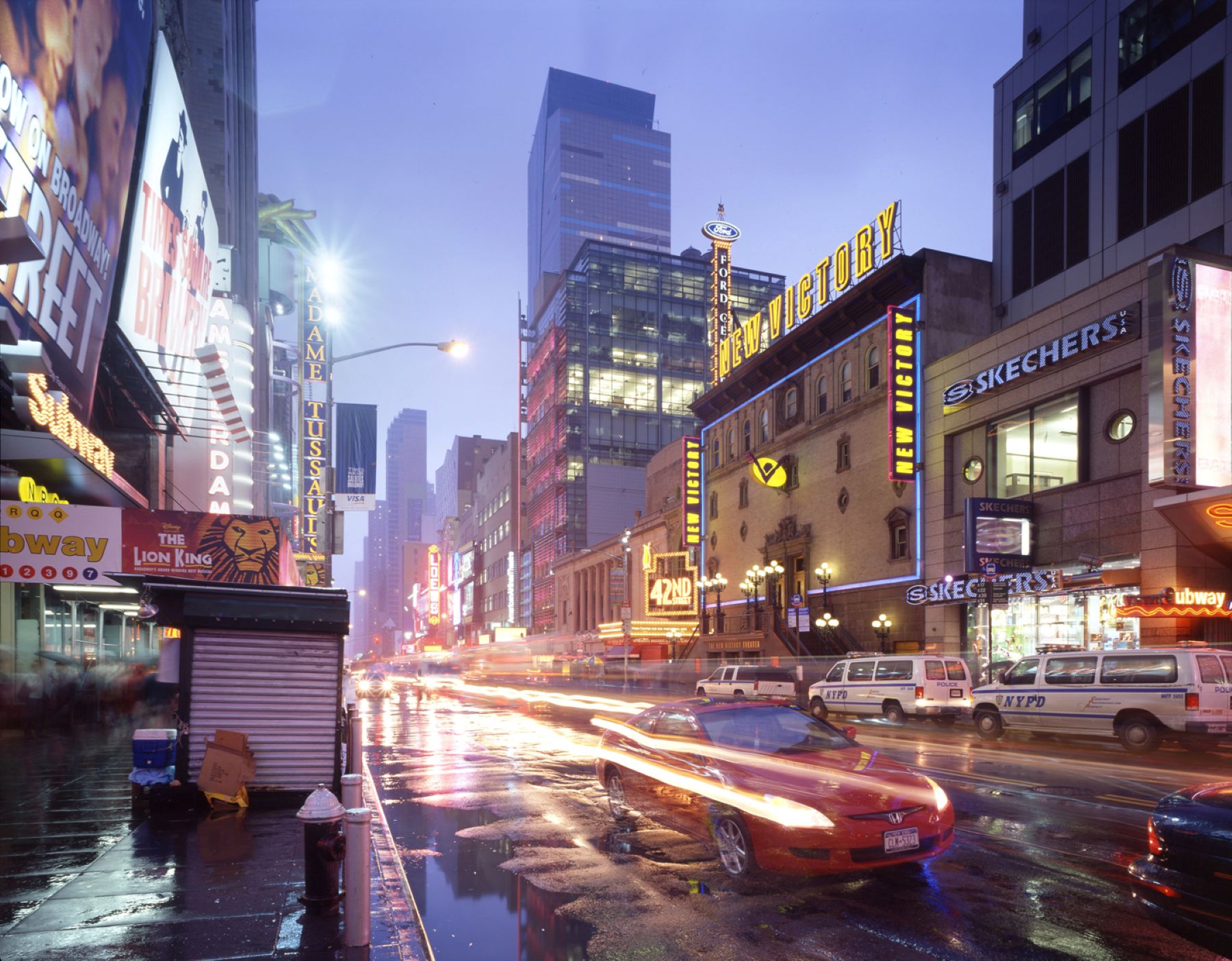
The neighborhoods with the most energy are anchored by cultural institutions. H3’s urban design practice informs the decisions cities are making now about where and how to invest in arts infrastructure.
The New Victory Theater — 42nd Street, New York
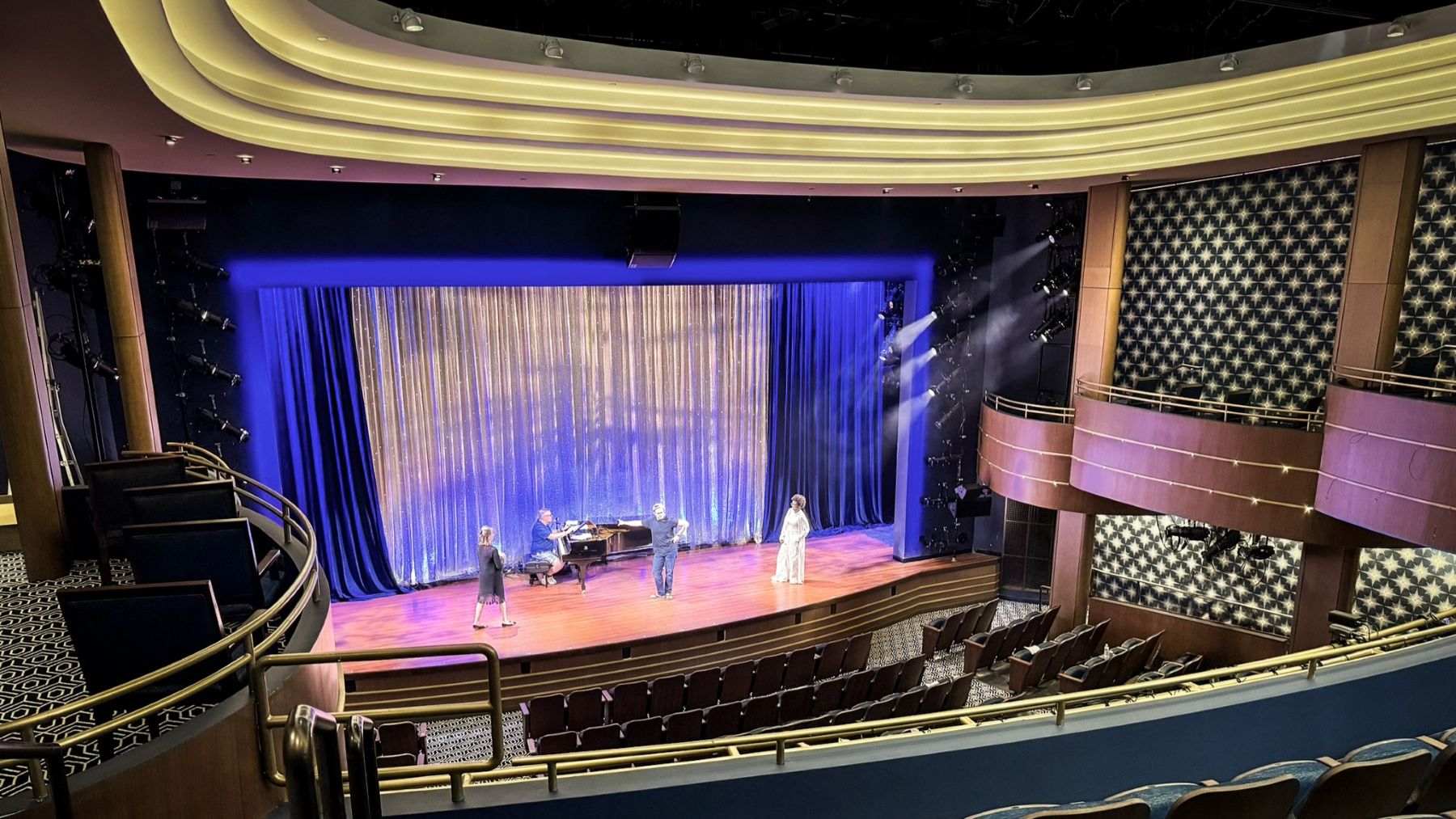
The interior of a theater is where the design either succeeds or fails. H3’s interior design practice integrates exterior architecture with the technically complex world of the performance interior, treating acoustic design as an architectural decision rather than an engineering parameter.
Gulfshore Playhouse — Naples, FL

A framework for the cultural venue that belongs: in its city, in its program, and in the next generation of audiences it must reach. Three commitments, and a measure of success rooted in the architecture of anticipation.
Read the framework →
Position paper — Academic PAC design
Programming the 21st-century University PAC: A strategic framework for multi-mission success
H3 on university performing arts center design — and what happens when buildings try to do everything at once.
Read the paper →Position paper - historic restoration
What You Owe a Building That Has Survived
The staff at H3 Hardy Collaboration Architecture have sustained a multi-decade practice in historic theater restoration — and what it has taught us about what preservation is actually for.
Read the paper →Position Paper - urban planning and design
Culture as Urban Infrastructure
Why cultural districts succeed — and why they often don't.
Read the paper →Position Paper - Special Collections Museums
The Keepers of Memory: How Architecture Learns to Tell a Community's Story
Five collecting institutions. Five entirely different problems — a Fort Worth botanist preserving a million specimens, a Biloxi community rebuilding after Katrina, a Cooperstown collector who wanted art treated as art. In each case the design emerged from a question, not a vocabulary: what does this community need this building to say?
Read the paper →Position Paper - New Theaters
All These Things At Once: The Architecture of Theater Interiors
H3 Hardy Collaboration Architecture on Theater Interior Design — How a Working Practice Reconciles Acoustics, Sightlines, Civic Presence, and the Nervous Buzz Before the Houselights Dim
Read the paper →Position Paper - Resiliency
Before and After the Storm
Three coastal resilience projects prove that protecting what communities value most can catalyze transformative infrastructure investment
Read the paper →