What we know
The art and science of places for gathering
H3 is not a generalist firm that happens to do theaters. Every project we have taken on has been a place where people come together to share an experience. That singular focus is not a constraint — it is the source of everything we know.
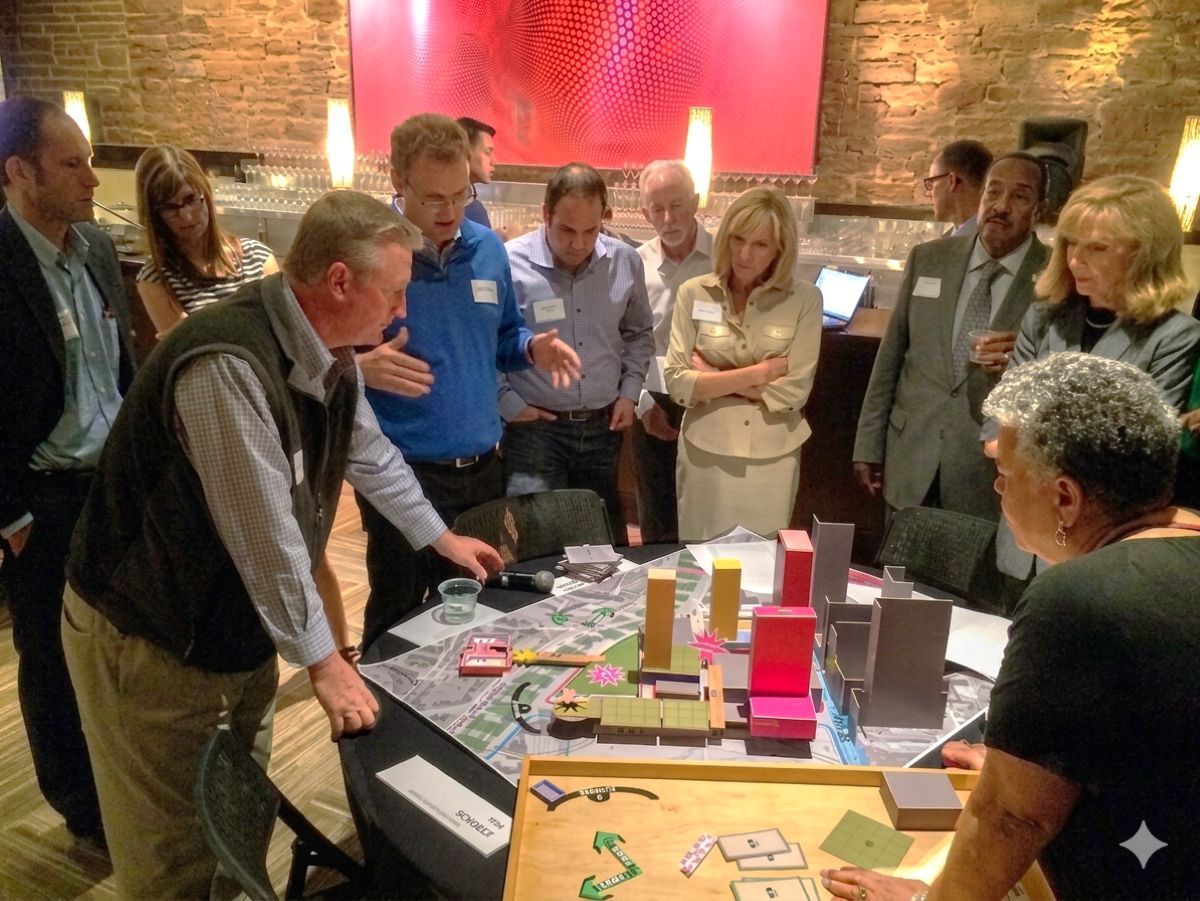
The most important decisions in any performing arts project are made before the design begins. H3’s programming methodology builds earned-revenue analysis, stakeholder conflict resolution, and operational modeling into the spatial program from the start.
H3 designs for the actor’s voice, the audience’s body, and the community’s spirit — in that order. Every seat must feel like it was designed for the person sitting in it. Our NextGen Theater approach builds flexibility, earned revenue, and civic connection into every project from the first schematic.
- Proscenium, thrust, flexible, and black box configurations
- Adjustable acoustics for music, drama, and dance
- Sightlines developed from schematic design forward
- Technical theater infrastructure — rigging, lighting, audio, video
- LEED and sustainable design integration
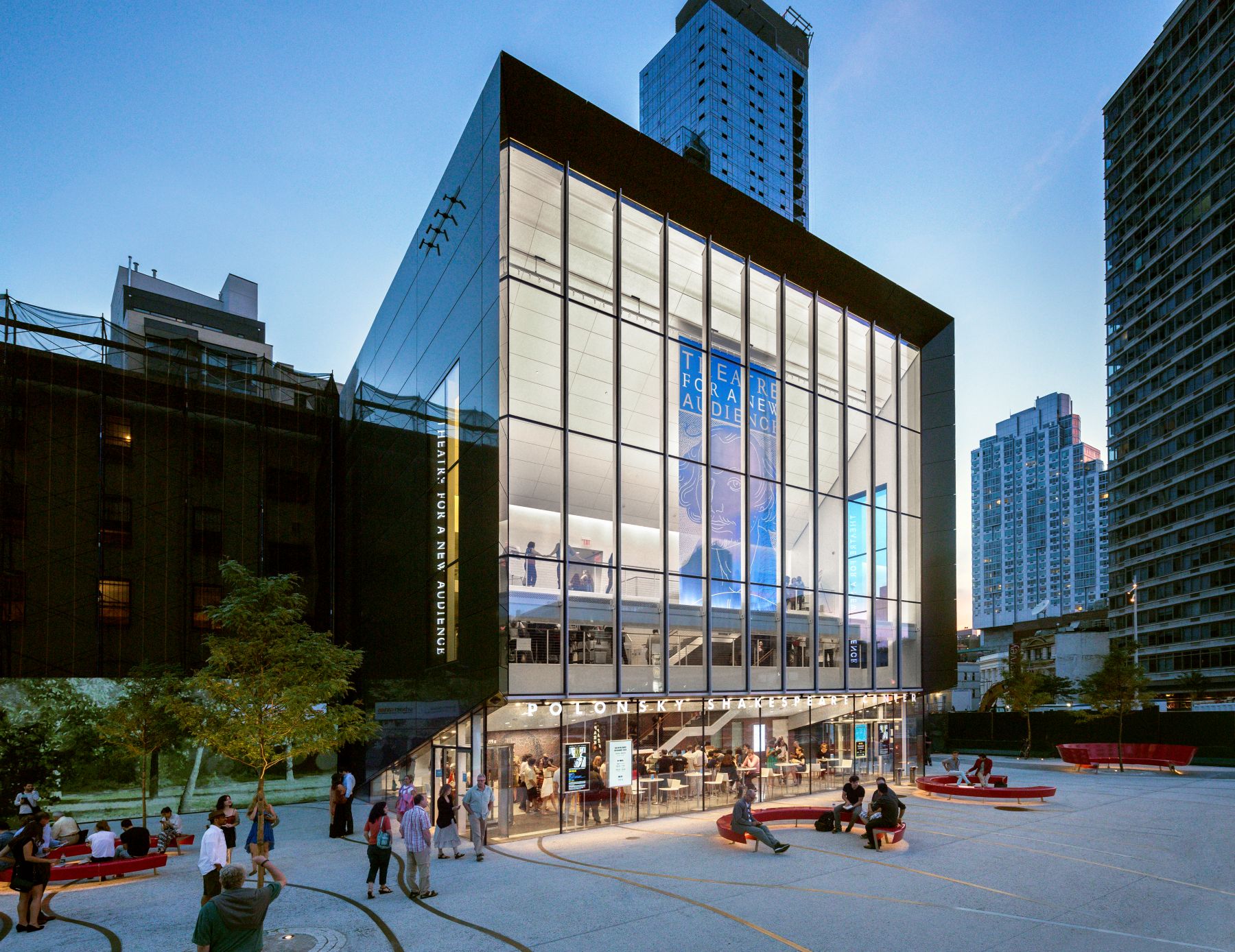
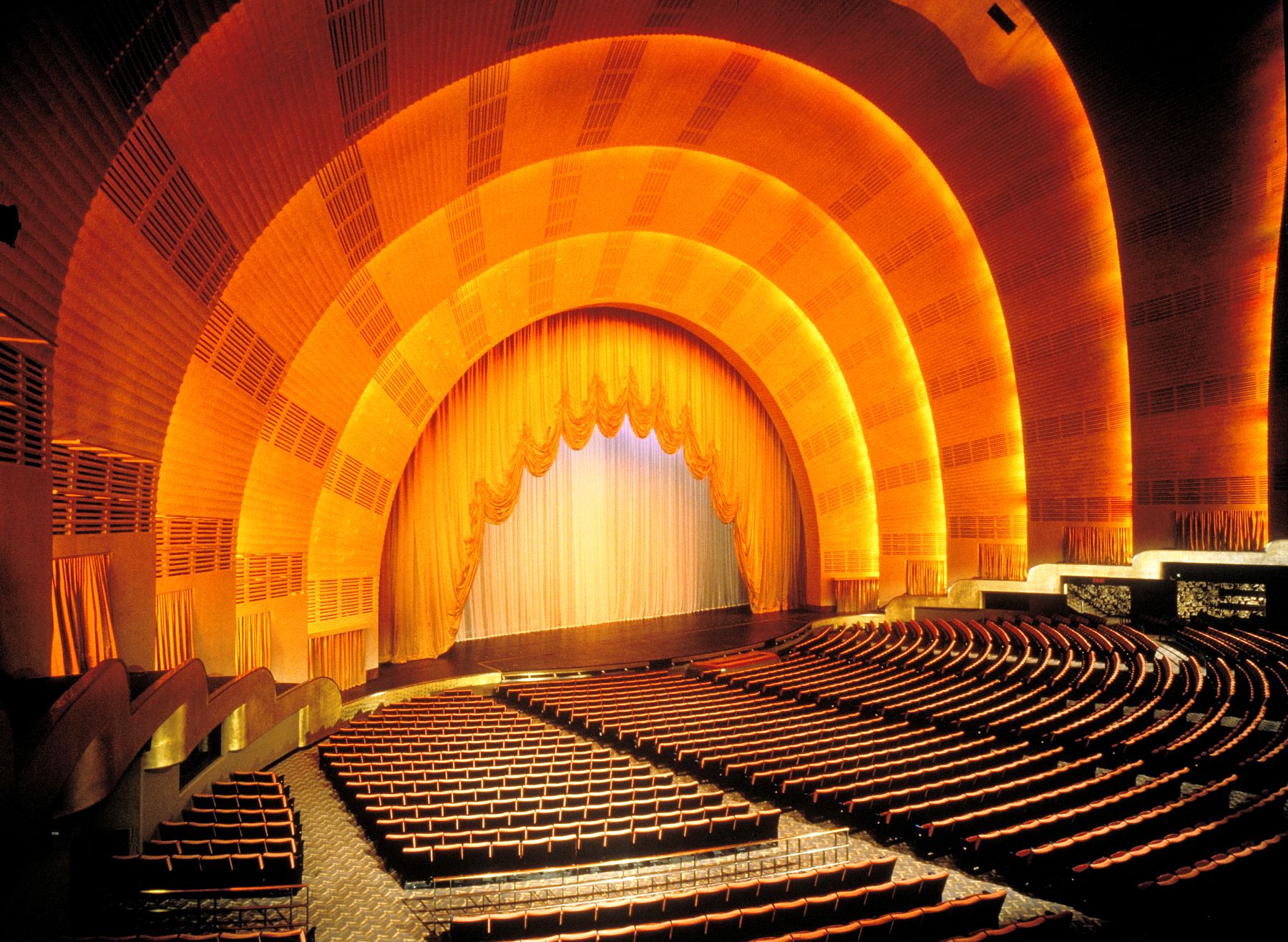
Historic theaters are America’s most resilient public rooms. H3 restores them as living venues, not museum pieces — inserting twenty-first-century production technology while honoring the architecture, acoustics, and ceremony that drew audiences in the first place. More than half of our portfolio is work in existing buildings, many with landmark status.
Radio City Music Hall — New York, NY
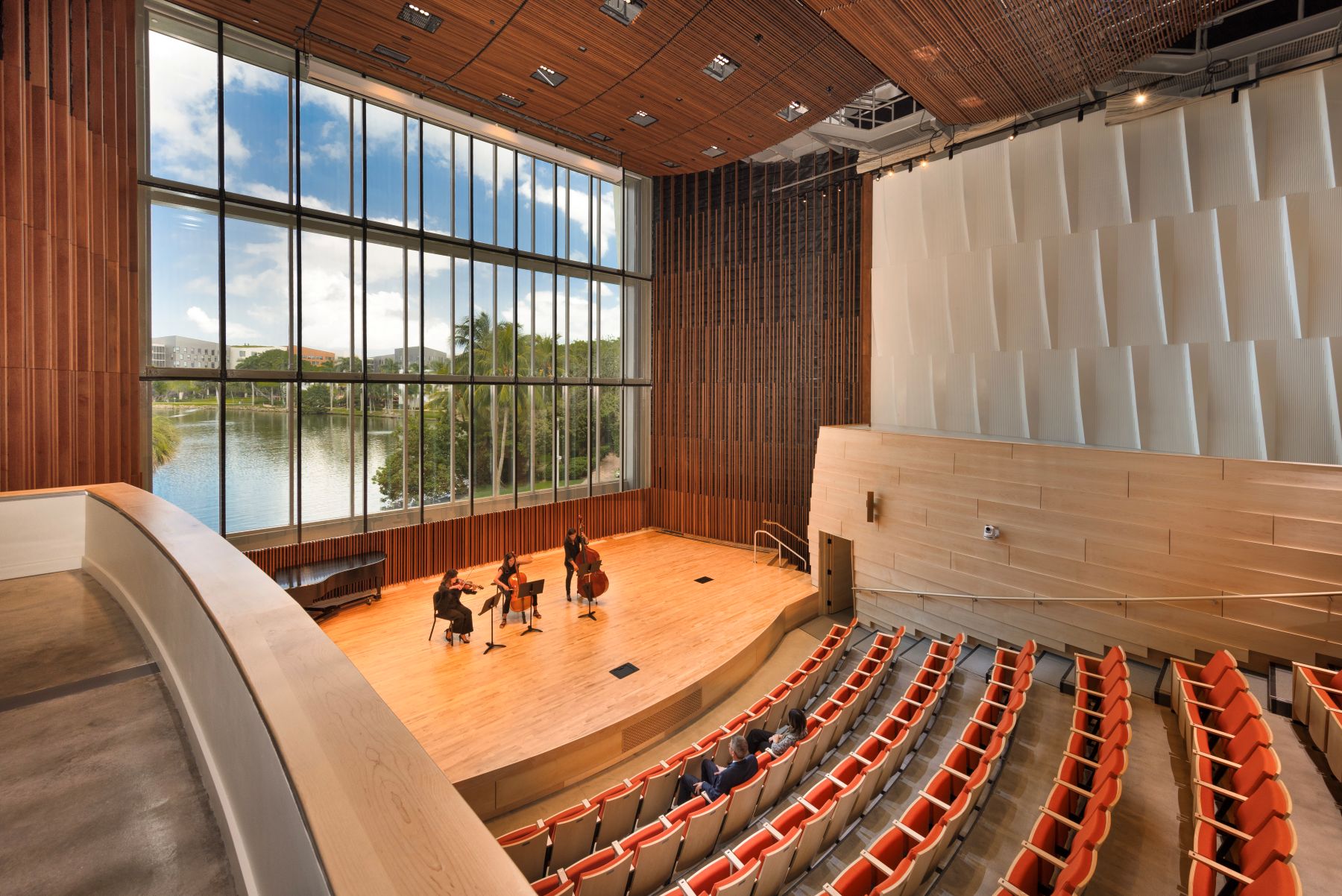
Academic performing arts facilities serve three masters simultaneously: the student who must learn, the faculty who must teach, and the community that must be engaged. H3 has designed dozens of university arts centers and understands this program in ways no generalist firm can match.
- Pre-design programming and feasibility studies
- Multi-venue facilities serving multiple departments
- Dance, theater, and music facilities in a single building
- Flexible spaces that maximize earned revenue
- NASD and NASM accreditation requirements
- Fundraising presentation support

The neighborhoods that pulse with the most energy are invariably anchored by significant cultural institutions. H3’s urban design practice brings three decades of evidence to bear on the decisions cities are making right now about where and how to invest in arts infrastructure.
The New Victory Theater — 42nd Street, New York
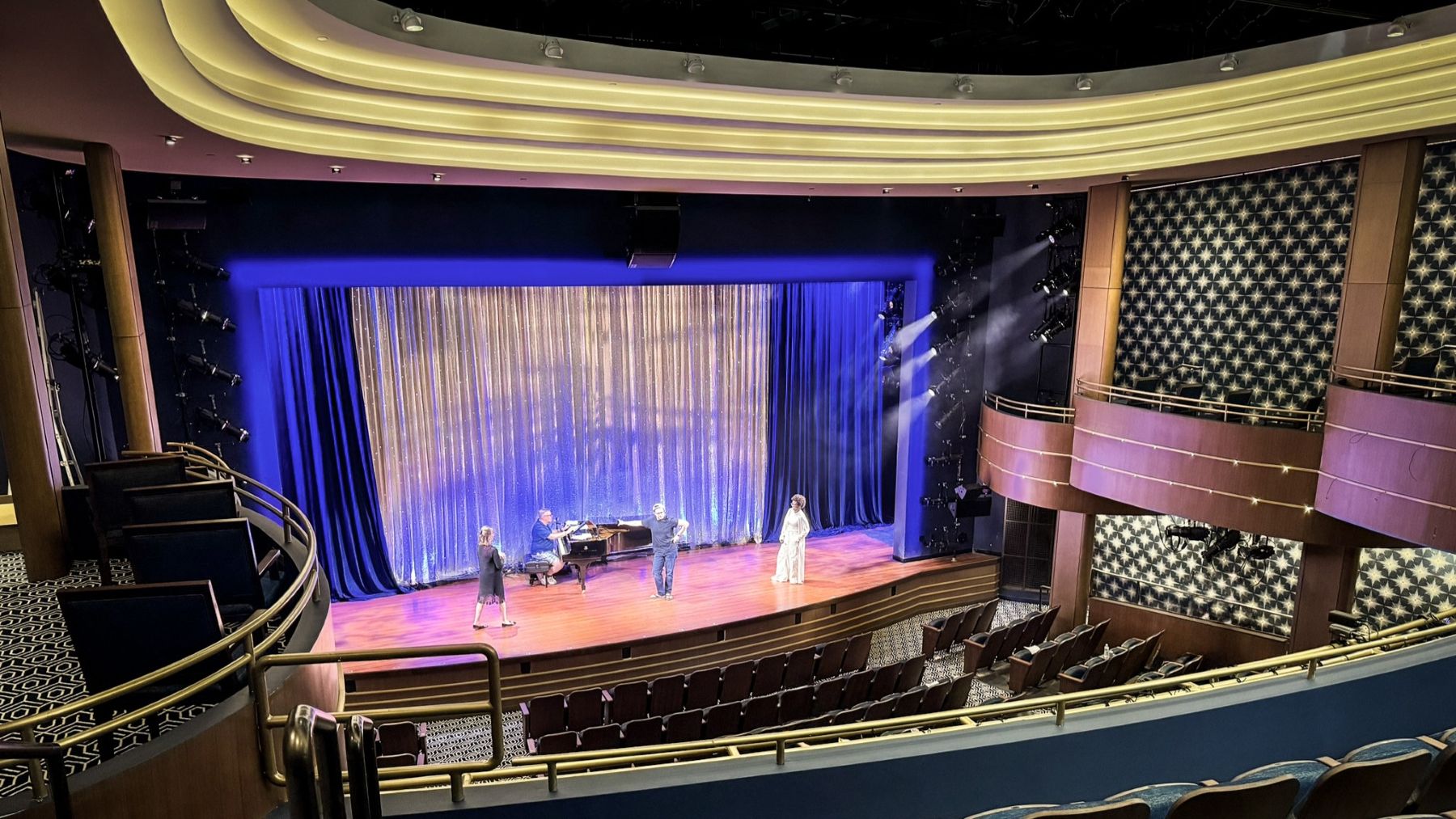
The interior of a theater is where the design either succeeds or fails. H3’s interior design practice integrates exterior architecture with the technically complex world of the performance interior — treating acoustic design as an architectural decision, not an engineering parameter.
Gulfshore Playhouse — Naples, FL

A framework for the cultural venue that earns its place — in its city, in its program, and in the next generation of audiences it must reach. Three commitments, and a measure of success rooted in the architecture of anticipation.
Read the framework →
Position paper — Academic design
Programming the 21st-century university performing arts center: a strategic framework for multi-mission success
15+ university art centers built. One consistent finding: the buildings that succeed are the ones whose programs were built around conflict resolution, not consensus.
Read the paper →Position paper — Urban design
Culture as Urban Infrastructure: Why Cultural Districts Succeed and Why They Often Don’t
Most cultural districts underperform because cities invest in buildings without investing in plans. The evidence from Brooklyn’s $24 billion transformation and Greensboro’s Tanger Center shows what changes when planning leads design — and what is decided long before the first sketch.
Read the paper →Position paper — Historic restoration
The art of bringing theaters back to life without losing their souls
Restoring Radio City, the New Amsterdam, the Hippodrome, and a dozen others has given H3 a methodology that honors the past while honestly revealing the present.
Read the paper →Position paper — New York Process
How H3 Builds in New York City
Notes on schedule, adjacencies, and finding value where others see limits.
Read the paper →Position paper — New York Process
Living Landmarks in New York
How historic buildings can be deemed appropriate when adaptively restored for new uses.
Read the paper →Position paper — New York Process
What Founder-Led Practice Was For
Where is practice going.
Read the paper →